

02 юли What Sets Real-Time Table Games Apart from Standard Online Play
Experience The Real Casino Thrill With Live Dealer Games Online
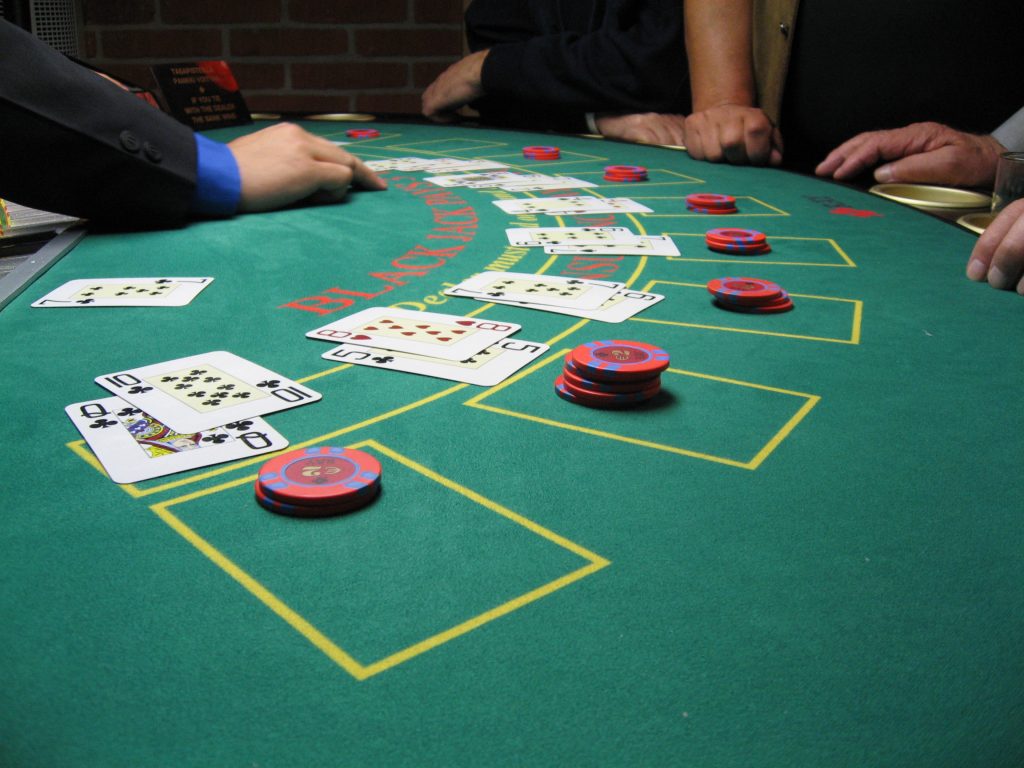
A player sits at their home table as a real croupier deals cards from a studio streamed in high definition, bridging the gap between physical and digital play. This is the essence of a live dealer casino, where human dealers operate real tables, chips, and wheels in real time via video feed. Immediate interaction allows you to place bets through an on-screen interface while chatting directly with the dealer, combining the convenience of online gaming with the authenticity of a brick-and-mortar floor. The direct benefit is a transparent, immersive experience that mirrors the social energy of a land-based venue without leaving your seat.
What Sets Real-Time Table Games Apart from Standard Online Play
The core difference is that real-time table games in a live dealer casino replace cold algorithms with tangible human interaction. You watch a dealer shuffle physical cards or spin a real wheel, streamed directly to you, eliminating the suspicion of rigged random number generators. This authentic human element creates a social atmosphere standard online play can’t replicate, as you can chat with the dealer and other players, reacting to wins in real-time. That moment of shared anticipation—waiting together for the roulette ball to drop—is visceral.
Standard online play feels like a single-player video game, whereas live dealer play mimics the heartbeat of a physical casino floor, right from your couch.
The pace is deliberate, dictated by the dealer’s actions, not a rapid-fire „deal now“ button, forcing you to engage with the flow of the game.
The Technology Behind Streamed Gaming Studios
Streamed gaming studios rely on multi-angle 4K camera rigs to capture every card shuffle and roulette spin in real time. Optical character recognition (OCR) software instantly digitizes physical outcomes—such as a dealt card’s rank—into data the interface displays to players. Low-latency encoding protocols, often H.265, compress video without perceptible delay, ensuring your bet and the dealer’s action remain synchronized. These studios typically deploy dedicated fiber lines to isolate streaming traffic from server-side game logic, preventing one user’s lag from distorting the broadcast for others.
- Multiple camera angles (bird’s-eye, dealer-perspective) switch seamlessly via automated director software
- Embedded RFID chips in cards and chips trigger instant bet settlement calculations server-side
- Green-screen backgrounds are physically impossible here—studios use actual felt tables to maintain tactile authenticity through video

How Random Number Generators Differ in Human-Led Tables
In standard online play, a Random Number Generator (RNG) algorithm independently determines every card dealt or wheel spin. At human-led tables, physical randomness grab Slotsofvegas no deposit bonus replaces algorithmic calculation. A live dealer physically shuffles a real deck or spins a mechanical wheel, meaning outcomes are governed by real-world physics and human action, not a software seed. This eliminates the possibility of pseudo-random pattern exploitation.
- RNGs produce algorithm-based sequences; human actions produce unpredictable, tactile results.
- Players can visually verify the shuffle and spin, unlike opaque RNG code.
- Dealer handling introduces micro-variability that a static RNG seed cannot replicate.
Key Components of a Premium Streaming Studio Setup
A premium streaming studio setup for a live dealer casino hinges on three pillars: optical clarity, zero-latency interaction, and immersive audio capture. Multi-camera arrays with 4K PTZ units, paired with professional broadcast lighting, eliminate shadows and ensure every card shuffle and roulette spin is crisply visible. A dedicated, fiber-backed network encoder guarantees sub-second video transmission, enabling dealers to read player bets in real time without perceptible delay. High-sensitivity microphones and acoustic dampening panels filter out all background chatter, leaving only the dealer’s voice and game-table sounds. Overhead, chip-tracking RFID scanners and optical character recognition cameras parse game outcomes instantly, feeding data directly to the software interface.
The true competitive edge is a redundant power-and-network failover system, which prevents any mid-round disruption from breaking the player’s immersion.
Camera Angles and Optical Clarity for Immersive Play
Optical clarity is paramount in a premium live dealer casino, as sharp, distortion-free lenses eliminate visual fatigue. Multi-camera arrays, typically deploying a low-angle dealer shot and dedicated overhead chips view, create spatial awareness missing in standard streams. Each angle must be precisely calibrated to avoid parallax errors that break the illusion of table presence. A dedicated camera for card faces, using shallow depth of field, ensures player decisions are visually verified. Without flawless optical clarity and deliberate angular placement, the virtual felt cannot deliver the seamless, trusted immersion necessary for sustained play.
| Camera Angle | Optical Function |
|---|---|
| Low-angle dealer | Simulates player eye-level perspective for depth |
| Overhead chip view | Eliminates shadows and glare for precise bet verification |
| Card table | Macro lens for sharp suit/value recognition |
Sound Design and Dealer Microphone Quality
In a live dealer casino, pristine audio clarity hinges on premium dealer microphones, which must isolate crisp vocal instructions from the chaotic clatter of chips and shuffling cards. Directional headsets or boom mics, paired with noise-gating software, eliminate ambient hiss and table vibrations, ensuring every bet confirmation sounds like a direct conversation. Sound design extends beyond mics to surround-system calibration, where spatial audio subtly cues game phases—like a soft chime for betting windows—without overwhelming the dealer’s voice. Poor mic quality introduces latency or tinny feedback, shattering immersion; top-tier setups use XLR condenser mics with frequency-optimized DSP chips for zero echo in high-stakes rounds.
Ergonomic Table Layouts for Seamless Interaction
An ergonomic table layout in a live dealer studio places the camera, cards, and chips at precise angles to create seamless user interaction. The dealer’s reach is minimized to avoid awkward stretching, while the betting grid is laid flat and centered for natural eye movement. Curved edges on the table surface actually help players see the entire felt without craning their necks. Chip trays are recessed slightly to prevent accidental topples during fast gameplay. This setup ensures every hand motion flows smoothly, making the digital experience feel as intuitive as sitting at a real casino table.
Navigating the Most Popular Table Titles in 2025
When navigating the most popular table titles in 2025, you’ll notice the live dealer lobby now feels more like a channel-surfing experience. Classic Blackjack and Roulette remain the anchors, but you’ll want to look for game-show hybrids that mix skill bets with rapid-fire side action. Many streams now offer a „Hot Tables“ filter, highlighting games where previous hands or spins hit certain multipliers.
Don’t just jump into the busiest table; check the „Speed“ or „VIP“ tags first, as the default „Classic“ option often has a longer camera cut time, slowing down your betting rhythm.
For Baccarat, the „Squeeze“ variants still reign, but 2025’s twist is the optional „Hand History Overlay“ that lets you see banker/player trends without leaving the main video feed.
Blackjack Variants with Side Bets and Speed Modes
In 2025, live dealer tables highlight Blackjack Variants with Side Bets and Speed Modes to accelerate action without sacrificing strategic depth. You can place optional wagers like 21+3 or Perfect Pairs directly alongside main hands, and many casinos now offer Turbo or Blitz modes that cut decision windows to under ten seconds. These speed-optimized variants stream the shoe continuously, forcing faster calls on splits and doubles while side bet payouts remain visible on-screen. The result is a high-tempo hybrid: you keep core blackjack strategy but layer risk-reward side bets into each rapid round.

Blackjack Variants with Side Bets and Speed Modes combine quick-fire deal cycles with optional wagers, giving you extra payout chances in every accelerated hand.
Roulette Wheels Featuring Lightning and Double-Ball Action
In live dealer casinos, roulette wheels with lightning and double-ball action drastically amplify the pace and volatility. The lightning feature randomly multiplies winning payouts on specific numbers, often up to 500x, while a second ball is simultaneously released, creating two independent winning positions per spin. This dual-ball mechanic effectively doubles the chance of a hit on every round, but the lightning multipliers only apply to the primary ball’s result. A common question: Can both the lightning multiplier and double-ball feature activate on the same spin? Yes—if the primary ball lands on a lightning-struck number, its payout receives the boost, while the secondary ball pays standard odds regardless. This synergy rewards aggressive betting on the main ball while the extra ball offers consistent coverage.
Baccarat Tables with Squeeze and No-Commission Options
In 2025, low-edge baccarat gameplay centers on Squeeze and No-Commission tables. Squeeze tables let players slowly reveal cards, adding tactile suspense to each hand. No-Commission variants remove the standard 5% commission on banker wins, instead applying a small payout adjustment on specific banker totals (usually 6). This speeds up betting decisions and simplifies tracking your balance. Both options coexist in live lobbies, often labeled clearly. The Squeeze ritual elevates immersion, while No-Commission streamlines math; savvy players alternate between them based on preference for drama versus efficiency.
Baccarat Tables with Squeeze and No-Commission Options blend ritualistic card-reveal with commission-free wagering, tailoring pace and volatility to player choice.
Strategies for Managing Bankroll at Human-Hosted Tables
At human-hosted tables, bankroll management is your shield against the dealer’s pace. Since the game moves at a natural speed, pre-set a loss limit per session and stick to it, no matter how tempting a hot streak feels. Use smaller, consistent bets—like 1-2% of your total bankroll per hand—to weather downswings without blowing up your stack.
Always divide your bankroll into separate session plays; when one hits zero, step away immediately—the physical rhythm of live dealing can trick you into chasing.
Track your wins and losses in real time, and never increase your bet just because the table energy feels high.
Betting Limits Across Different Room Levels
In human-hosted tables, betting limits across different room levels directly dictate your bankroll strategy. Low-limit rooms, often $1–$10, let you stretch playtime but require conservative bet sizing to avoid rapid depletion. Mid-level rooms, typically $25–$100, demand tighter unit management, as a single hand can consume 10% of a small bankroll. High-limit suites, from $500 upward, force a strict capital allocation: you must reserve a minimum of 20 buy-ins to withstand variance. A sequence for selecting a room level based on your bankroll includes:
- Calculate your total session bankroll.
- Set a maximum single-bet unit (1–2% of that bankroll).
- Choose a room where the table minimum does not exceed that unit.
Statistical House Edge in Streamed Versus Automated Games
The statistical house edge in streamed live dealer games typically mirrors traditional table rules, offering a consistent, transparent disadvantage based solely on game mechanics. In contrast, automated RNG games may incorporate a slightly higher programmed house edge to offset faster play speeds, though this varies by title. Bankroll management must account for how automated games accelerate exposure to this edge through rapid rounds. Live dealer’s human-paced play naturally slows betting frequency, potentially reducing total statistical loss over time compared to automated counterparts.
Streamed games preserve a stable statistical edge tied to physical rules, while automated games may inflate this edge or accelerate its impact through speed, altering bankroll decay rates.
Using Live Chat to Track Dealer Patterns
When managing bankroll at a human-hosted table, the live chat feature becomes a precise tool for tracking dealer patterns. Use it not for banter, but to log timestamps of dealer shuffles, shoe breaks, and payout sequences. For example, note in the chat box each time a dealer cycles through a deck or changes speed in dealing. This creates a searchable record of behavioral rhythms that influence betting timing. A strict comparison of chat-logged dealer habits against session outcomes helps decide when to raise or lower unit sizes. Avoid general chat; every entry must serve pattern verification.
| Pattern Aspect | Chat Log Action |
|---|---|
| Dealer shuffle cadence | Record start and end timestamps |
| Payout speed variance | Note if slower/faster than previous shoes |
Mobile Optimization for On-the-Go Play
For smooth live dealer casino action on the go, your mobile device needs both a stable internet connection and sufficient screen real estate. Mobile optimization ensures the dealer’s feed and betting buttons load instantly, even on a 4G signal. Tapping the wrong chip stack because buttons are too cramped can instantly break the immersion. Play in landscape mode to see the table layout clearly, and always enable cellular data explicitly for the app to avoid dropped streams during a crucial hand. A responsive design that adjusts chat and bet history panels for your thumb’s reach makes waiting for the next spin feel seamless, not fiddly.
Touchscreen Interface Adjustments for Portrait Mode
For on-the-go live dealer casino play, portrait mode touchscreen adjustments must repackage the gaming layout into a narrow vertical column. This involves repositioning the live video feed to the upper half of the screen, with betting buttons and chip trays resized and compressed below. Tapping accuracy requires dynamic hit-box scaling, preventing accidental selections near the display edge. The scrollable game history and chat overlay are collapsed into collapsible icon sliders, freeing thumb-reach zones. Additionally, bet confirmation buttons are anchored to the bottom bezel to eliminate the need for hand-repositioning during rapid betting rounds.
Data Usage and Streaming Quality on Mobile Networks
When you’re playing on the go, adaptive bitrate streaming is your best friend for balancing video quality against your mobile data cap. A live dealer feed can chew through 1-2GB per hour at HD settings, so check your provider’s stream resolution slider. Switching to 720p or lower cuts data usage in half without ruining the dealer’s cards or wheel spins. A choppy stream from weak 4G signal is worse than a slightly pixelated table. Keep an eye on your phone’s data usage tracker mid-session to avoid surprise throttling.
Adaptive bitrate streaming manages data usage and streaming quality by lowering resolution during network dips, preventing buffering while preserving core gameplay.
Battery Drain Considerations During Extended Sessions
Extended live dealer sessions demand aggressive power management. Running high-definition video streams and constant data exchange rapidly depletes your battery. To preserve play, reduce screen brightness to the minimum visible level and close all background apps. Disabling Wi-Fi scanning and location services can further curtail unnecessary drain. Switching from cellular data to a stable 5GHz Wi-Fi connection often improves efficiency. Consider using a dedicated mobile device for gaming, as its battery is tailored for sustained media usage.
Bonus Structures Tailored for Real-Time Wagering
Live dealer casinos now offer dynamic bonus structures that adapt to the unique pace of real-time wagering. Instead of static match deposits, you’ll find „odds boosts“ applied mid-round during blackjack or baccarat, triggered by specific dealer cards. „Risk-free bets“ on roulette spins credit instant refunds if your chip lands on zero, while „win-streak multipliers“ increase payouts on consecutive live craps wins. *Q: How do I claim a mid-hand bonus?* A: Watch for pop-up prompts linked to active table rules—accepting them locks the boost before the next card flip or wheel spin. These structures reward split-second decisions, not just account balances.
Cashback Offers on Losses in Streamed Environments
In streamed live dealer environments, cashback offers on losses are a handy safety net when lady luck isn’t on your side. Instead of simply watching your wagers disappear, operators credit a percentage back to your account, often as bonus funds or real cash. For example, a weekly loss rebate might return 10% of net losses from blackjack or roulette streams, letting you recover part of your budget after a rough session. These offers typically cap at a set amount and apply only to specific game types.
| Feature | Description |
| Rebate Percentage | Usually 5–20% of net losses in a set period |
| Credit Form | Cash or bonus credits with low wagering |
| Eligible Games | Specific live dealer tables only |
Deposit Matches Exclusively for Table Game Lobbies
Deposit Matches Exclusively for Table Game Lobbies offer a targeted boost for live dealer enthusiasts. Unlike standard bonuses, these matches apply only to funds wagered within dedicated blackjack, roulette, or baccarat lobbies, often with lowered playthrough requirements. To maximize value, confirm the match percentage and cap before depositing. Q: Can I use the match bonus on any table game? A: Usually not—the bonus is restricted to specific lobby titles, so always check the eligible games list in the offer terms. This setup keeps your bankroll focused on real-time dealer action.
Loyalty Points Accumulation and Redemption Tiers
In live dealer casinos, loyalty points accumulation happens in real-time as you place bets on blackjack or roulette, with faster point growth during high-velocity hands. You move through redemption tiers by crossing point thresholds—unlocking instant cashback or free bets at each level. A typical system looks like this:
| Tier | Points Needed | Instant Reward |
|---|---|---|
| Bronze | 0–500 | 5% cashback on losses |
| Silver | 501–2,000 | 10% cashback + one free bet |
| Gold | 2,001+ | 15% cashback and priority table access |
You can redeem points directly from your live session dashboard, skipping any tedious requests.
Legal and Licensing Factors Across Jurisdictions
When engaging with a live dealer casino, your legal protections hinge entirely on the jurisdiction where the operator holds its license. A valid license from a respected authority, such as the Malta Gaming Authority or the UK Gambling Commission, ensures the live dealer games are rigorously audited for provably fair RNG outcomes and physical card shuffles. Playing under an unregulated or offshore license exposes you to disputes with no binding consumer recourse, as local laws may not recognize that foreign entity. Always verify the license number on the casino’s footer and cross-check it with the regulator’s official database before depositing. Your legal standing to demand a fair payout or challenge a technical glitch depends solely on this jurisdictional compliance.
Regulatory Bodies Governing Streaming Studios
When you join a live dealer casino, the studio filming the action must answer to specific regulatory bodies. These groups, like the UK Gambling Commission or Malta Gaming Authority, enforce strict rules on how the studio broadcasts. They ensure the camera angles show the whole table and that the dealer’s every move is visible. Streaming studio oversight guarantees no hidden card tricks or pre-recorded rounds slip through. Think of them as the referees making sure what you see is real-time and fair. You can usually spot their seal on the game lobby, confirming the studio passed their checks.
- Regulators mandate multiple camera angles to prove continuous game flow.
- They require real-time server and video sync audits by a third party.
- Studio staff must undergo background checks and licensing by the body.
- They ban any delays longer than a split second to prevent manipulation.
Age Verification and Geolocation Checks
In live dealer casino environments, strict age and location gatekeeping is enforced in real time. Players must submit a government-issued ID and often a selfie before accessing a live table, ensuring they meet the legal gambling age in their jurisdiction. Simultaneously, geolocation checks use a device’s IP address, Wi-Fi triangulation, and GPS to confirm the player is physically within a permitted state or country. If the software detects a VPN or a location outside approved boundaries, the live stream is immediately blocked. These two systems operate automatically during each session, preventing underage or out-of-jurisdiction play from the very first hand.
Responsible Gaming Tools in Interactive Settings
In live dealer casinos, interactive responsible gaming tools allow players to set real-time session limits directly within the live-streaming interface. These tools include deposit caps, loss thresholds, and time-reminder pop-ups that interrupt gameplay without removing the user from the table. Players can also activate a „cool-off“ period, pausing their participation for a set duration while still observing the dealer. Additionally, reality checks display cumulative play time and net results upon request, enabling immediate self-assessment. Such features empower users to maintain control during immersive sessions without requiring external account management or leaving the live environment.
Future Trends in Human-Decked Gaming Rooms
Future trends in human-decked gaming rooms will pivot toward hyper-personalized interactions, where AI-driven croupiers adapt their pace and banter to each player’s behavior in real-time, while haptic feedback technology integrates with live dealer tables to simulate chip weight and card texture. These rooms will evolve into immersive environments using spatial audio that isolates a dealer’s voice per seat, creating private conversational zones within a shared stream. Players may soon summon unique table themes or rule variations on demand, shifting the dealer’s role from host to customizable interface. This convergence of human presence and adaptive tech will blur the line between live authenticity and bespoke digital control.
Integration of Augmented Reality and Holographic Dealers
Augmented reality (AR) overlays digital holographic dealers onto the player’s physical space, transforming any room into a live dealer casino without physical hardware. These holographic figures replicate human gestures, shuffle virtual cards, and spin wheels in real-time, responding directly to player commands via gesture or voice. The system integrates seamlessly with existing gaming tables, projecting a dealer avatar that maintains eye contact and reads table dynamics. A core advancement is spatial awareness calibration, ensuring the hologram interacts naturally with real objects like chips. Q: How does a holographic dealer handle physical chip exchanges? A: AR markers on the table track chip movements, allowing the dealer to authorize digital balances via augmented overlays.
Cross-Platform Play Between Desktop and Virtual Reality Headsets
In the live dealer casino context, cross-platform play between desktop and virtual reality headsets ensures a unified gaming session where a VR player at a blackjack table interacts seamlessly with desktop users viewing a 2D stream. The VR headset maps player gestures from motion controllers, while the desktop client translates these into on-screen animations, and vice versa for button clicks. Latency matching protocols calibrate the dealer’s physical card movements to both visual outputs in real time, preventing desynchronization. This allows a desktop user to place side bets that the VR player sees as holographic chips, maintaining equal decision windows for all participants.
Cross-platform play synchronizes VR gesture inputs and desktop click interactions into a single, latency-balanced live dealer session, preserving gameplay equality between headset and screen users.
Cryptocurrency Adoption for Anonymous Bets
In human-decked gaming rooms, cryptocurrency adoption for anonymous bets enables direct player-to-table transactions via blockchain, bypassing traditional banking layers. This eliminates identity verification triggers, as live dealer streams accept digital wallets without KYC checks. Players fund chips instantly through private keys, with winnings settling back to untraceable addresses. The croupier’s console displays only a transaction hash, not personal data, ensuring untraceable wager settlement within the physical game flow. Hash-verified payouts from the live shuffle or spin occur without recourse to fiat rails, preserving absolute anonymity between bet placement and table resolution.