

29 авг. A Smarter Way to Scan Revolutionizing Coin Identification
A Smarter Way to Scan: Revolutionizing Coin Identification
In the world of numismatics, the value of information cannot be understated. The ability to accurately identify and assess the worth of old coins has long been dependent on the expertise of the collector or appraiser. However, with the advent of technology, there is now a smarter way to scan old coins that enhances the experience for enthusiasts and professionals alike.
The Importance of Accurate Coin Identification
Accurate coin identification is fundamental for collectors, investors, and historians. Each coin carries a story, reflecting the culture and era it hails from. Misidentifying a coin can lead to significant financial loss or misrepresentation of its historical significance. With millions of coins in circulation and varying conditions, realizing their age, material composition, minting errors, and rarity is crucial.
How Technology is Transforming Coin Identification
Modern technology has introduced various tools that make it easier to identify coins. Smart devices equipped with advanced cameras, mobile apps, and artificial intelligence (AI) capabilities allow for quick and accurate scanning of coins.
Smartphone Applications
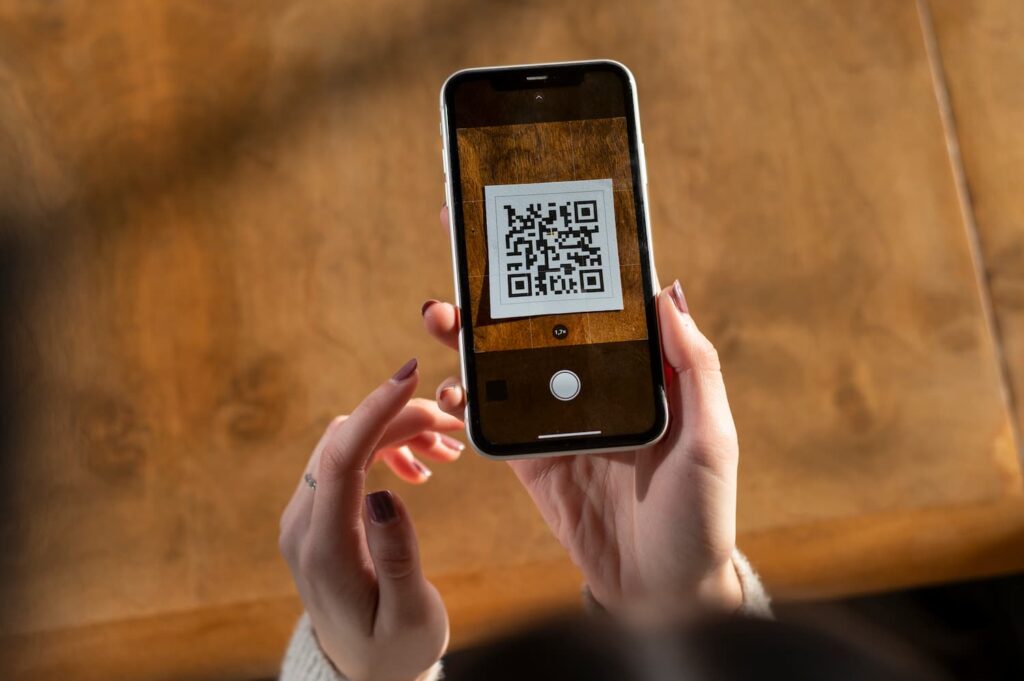
In recent years, several applications have emerged that cater specifically to coin collectors. These apps utilize the power of image recognition technology to analyze a coin’s features. Users can simply take a picture of a coin, and within seconds, the application will provide information about its type, year of minting, and estimated value based on a vast database.

AI and Machine Learning
AI and machine learning algorithms are becoming integral to the coin identification process. These technologies can analyze images of coins in detail, recognizing subtle nuances that may be missed by the human eye. By using vast datasets, AI models improve their accuracy over time, making them an invaluable resource for collectors.
Benefits of Scanning Coins Digitally
The transition from traditional methods of coin identification to digital scanning offers numerous advantages:
Speed and Efficiency
Digitally scanning coins is considerably faster than manual identification methods. Collectors can quickly assess their collections or conduct research at their convenience without relying on third-party appraisers.
Greater Accessibility
With mobile applications and online platforms, collectors no longer need to visit physical stores or libraries to gather information. They can access databases and resources from anywhere, providing a level of convenience that has never been seen before.
Enhanced Accuracy
Human error can be a significant factor in traditional identification methods. With the help of AI, the chances of misidentifying a coin are drastically reduced. The consistent application of algorithms ensures a higher level of precision than subjective analysis.
Building a Community
Many of these applications allow users to connect with fellow collectors, share findings, and collaborate on research. This community-driven aspect helps foster a sense of belonging and shared knowledge, enhancing the overall experience for numismatists.
Challenges with Digital Coin Identification
Despite the numerous benefits, the transition to digital methods is not without its challenges. One of the primary concerns is the reliability of access to the technology. Not everyone has smartphones or the internet, which could disenfranchise certain groups of collectors.
Staying Updated
The world of numismatics is constantly evolving. New discoveries, changes in market values, and the introduction of new coins mean that applications and databases must be regularly updated. Users need to ensure they are using the most current technology to get the best results.
Trusting Technology
Many collectors may still rely on traditional methods and experts, leading to skepticism about the accuracy of automated systems. It is essential for technology developers to build trust with users by demonstrating reliability and providing transparent methodologies for how scans are evaluated.
The Future of Coin Identification
The future of coin identification looks promising with the continued integration of technology. As advancements in AI, machine learning, and image recognition continue to evolve, we can expect even more accurate and user-friendly tools to emerge.
Augmented Reality
One potential area of growth is augmented reality (AR). Imagine using AR technology to visualize coin details in 3D or overlay history information directly onto the coin as you scan it. This could provide an immersive experience, further enriching the hobby for collectors.
Blockchain for Provenance Tracking
Using blockchain technology to track ownership and provenance could also be a game-changer. By integrating coin identification apps with blockchain, collectors could verify the authenticity and history of a coin, providing peace of mind and potentially increasing its value.
Conclusion: Embracing the Change
As the landscape of coin collection continues to evolve, embracing technology is vital for enthusiasts. The introduction of smarter ways to scan coins not only streamlines the identification process but also enriches our understanding of numismatics. While challenges remain, the benefits far outweigh the hurdles. By integrating these tools into their practices, collectors can enjoy a more efficient, accurate, and communal experience, ensuring the appreciation and value of coins for years to come.